
Endpoint Security
Endpoint security, also known as endpoint protection, is an approach to protecting a corporate network by securing individual endpoints - devices like desktops, laptops, and mobile devices.
Trellix Application Control provides protection against unknown threats b...
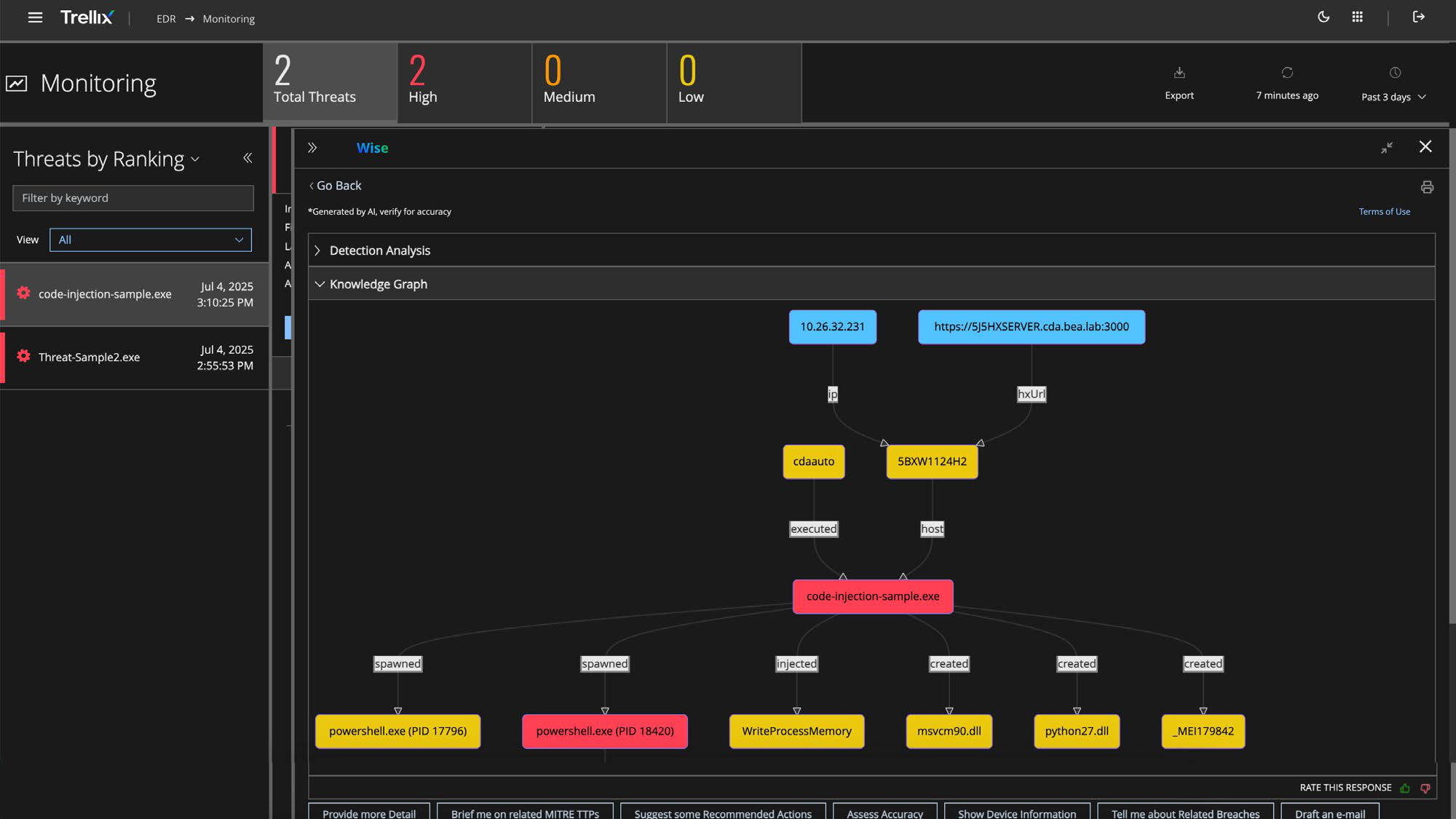
Trellix Endpoint Detection and Response (EDR) identifies and prevents mal...

Sophos Intercept X, endüstri lideri Uç Nokta Güvenliği çözümüdür.Saldırı yüze...
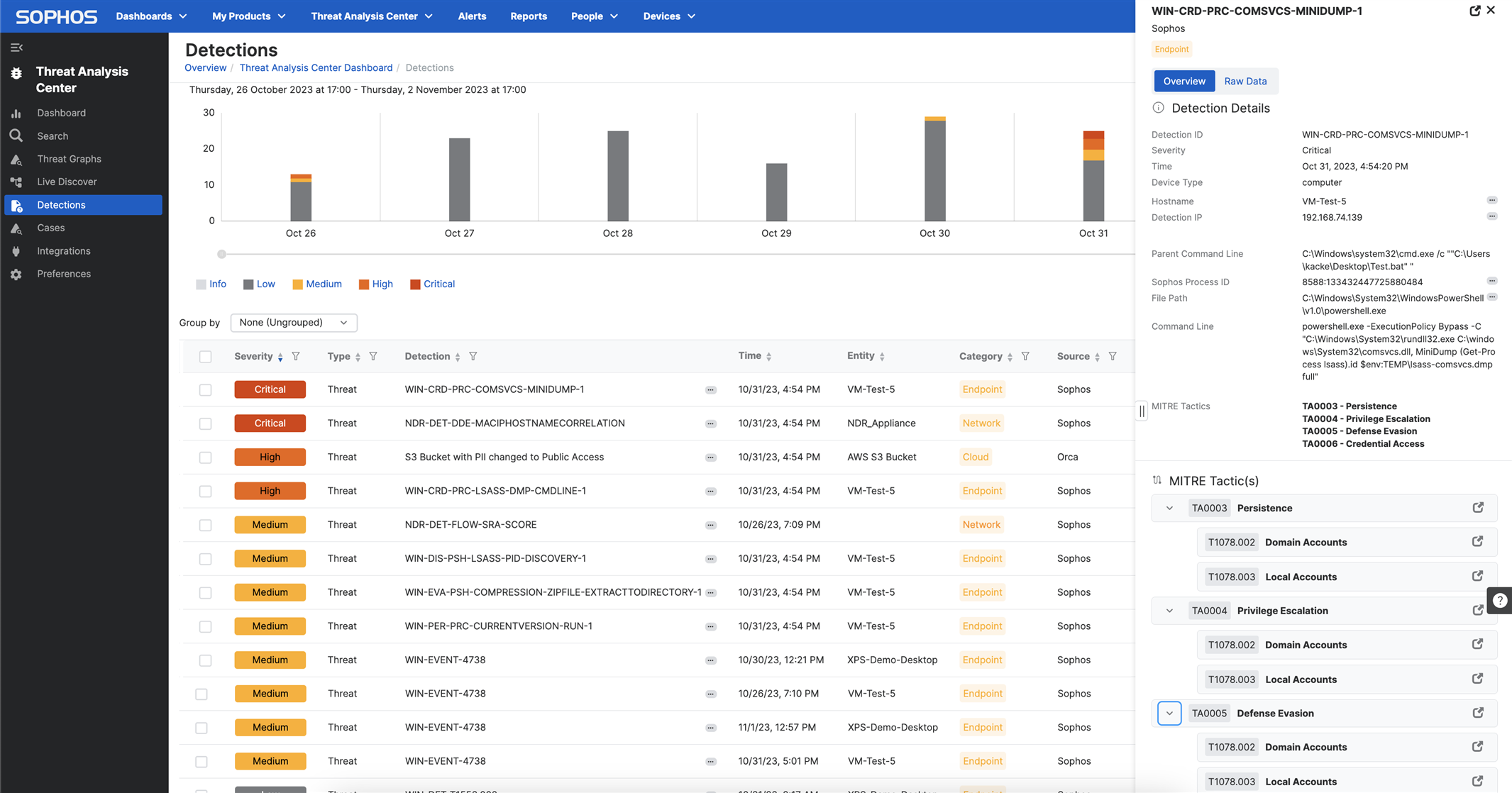
Sophos XDR stands for "Extended Detection and Response," which refers to the ...
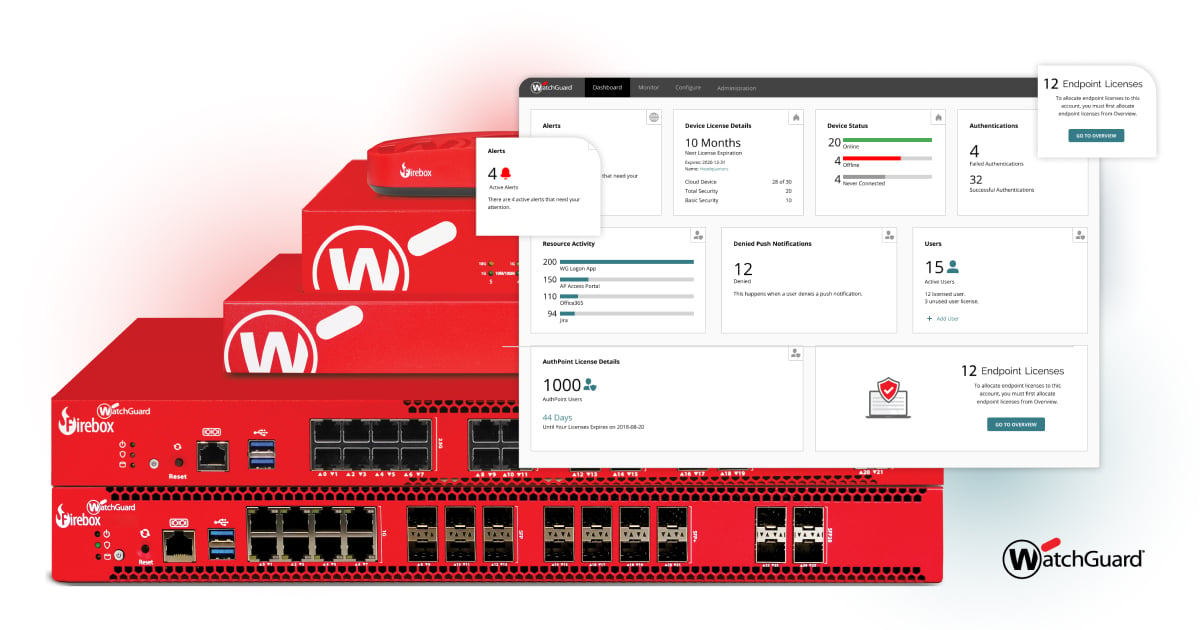
Deploy WatchGuard Endpoint Security to combat this new reality in today's com...

WithSecure™, founded in 1988 and listed on NASDAQ OMX Helsinki Ltd. (formerly...
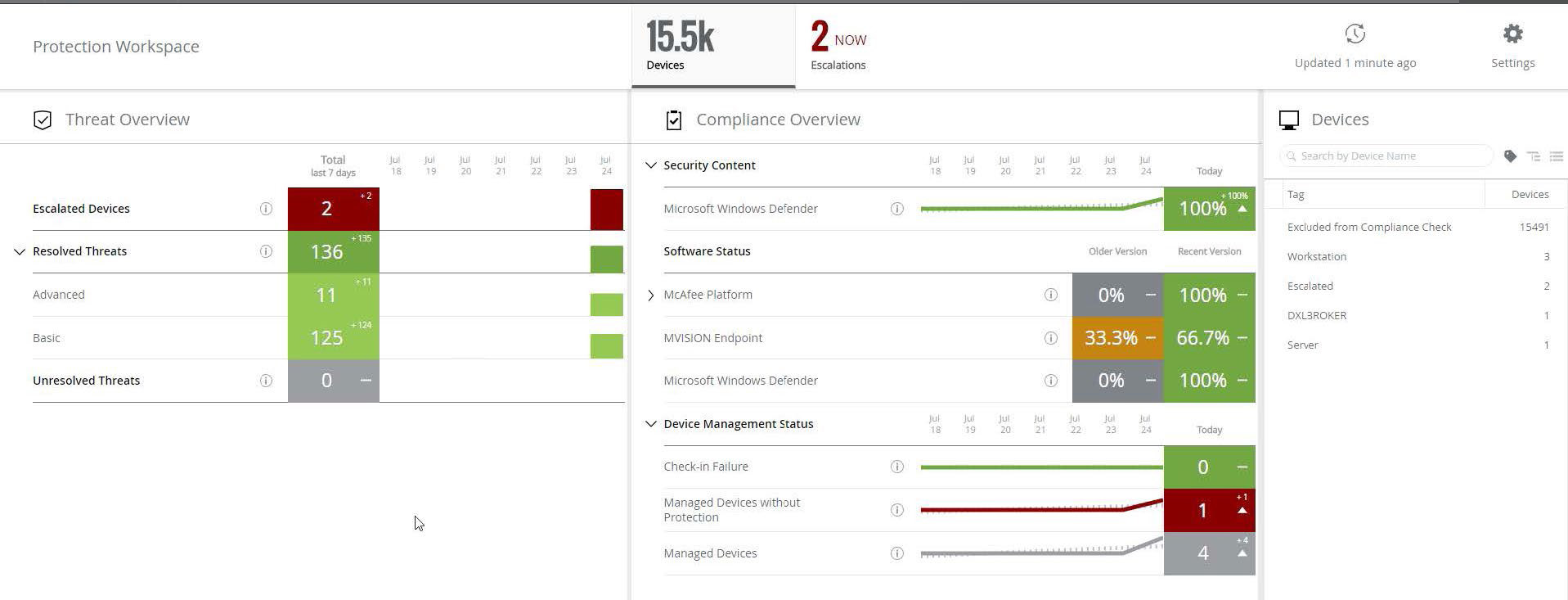
Trellix ePO (Epolicy Orchestrator) is a management platform that can be accessed...
Previously, the classical antivirus approach was sufficient, but as the types of attacks and virus species have become more widespread, antivirus programs have also evolved and advanced, even developing protection methods for viruses that have not yet been written.
Machine learning and heuristic analysis are a few examples of these advancements. As different types of malicious software emerge and needs grow, the concept of Endpoint comes into play.
Endpoint-installed computers continue to be protected and receive security policies even when outside the office. With centralized management, security rules can be created and distributed to computers and users on a per-computer basis in a short time, and comprehensive reporting can be obtained quickly to identify problematic users and computers.
Another advantageous aspect of endpoints is that they can work synchronously with UTM devices to stop problematic clients (such as computers with non-functioning antivirus services or viruses) from accessing other computers or the internet.
Endpoint security solutions help organizations defend against a wide range of cyber threats, including malware, ransomware, phishing attacks, and data breaches. By protecting individual devices, endpoint security contributes to the overall security posture of the network and helps safeguard sensitive data and intellectual property.