
TAG
Email Security
Email security refers to the protection of email accounts, messages, and communication systems from unauthorized access, misuse, and cyber threats.
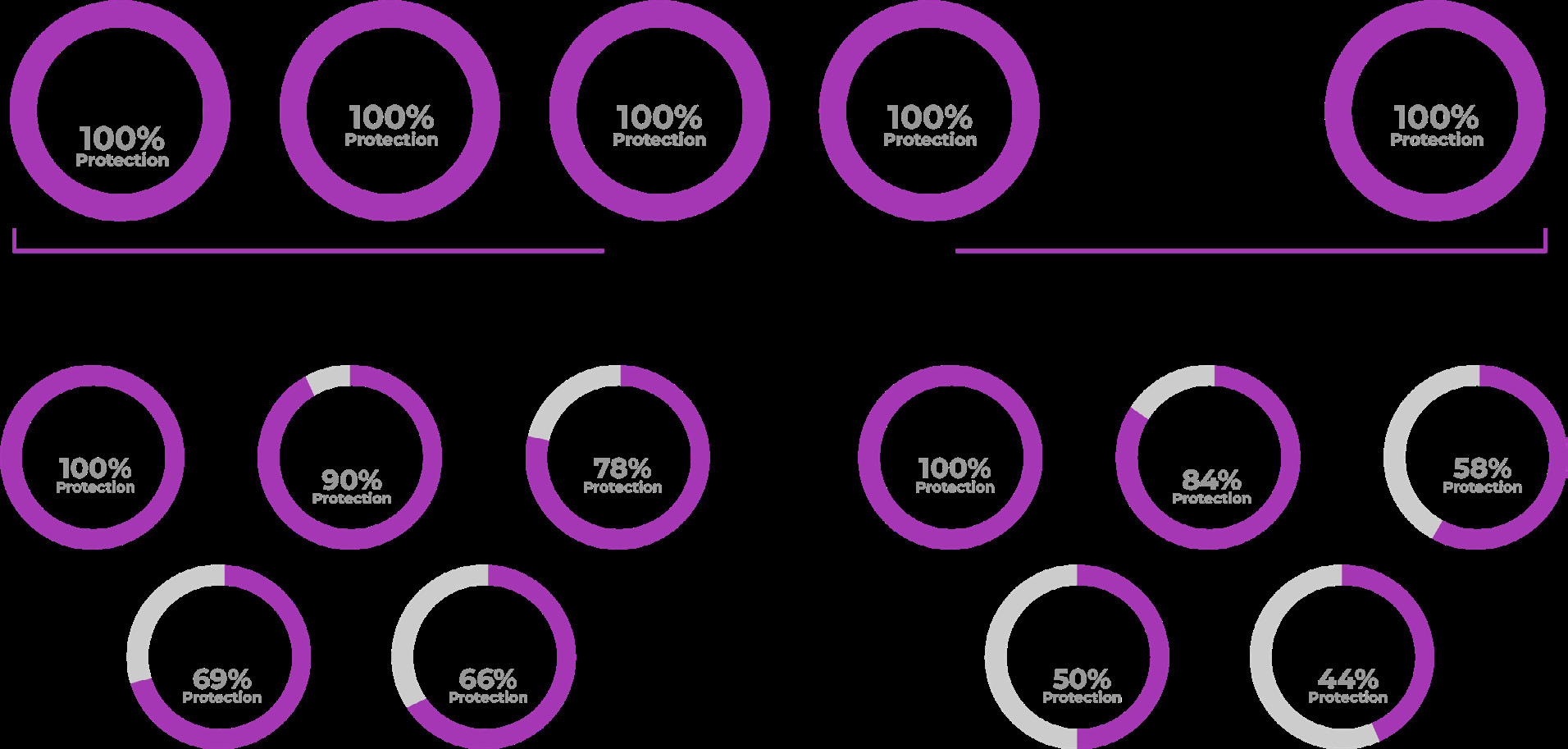
Trellix Email Security (EX)
"Trellix Email Security (EX)" provides real-time protection and preventio...
Sophos Email Security
Criminals often impersonate key individuals in an organization or well-known bra...
Acronis Email Gateway
Blocks email threats including spam, phishing, business email compromise (BEC), ...
To keep your company's email infrastructure and users safe, you need to establish secure email communication rules, whether it's within the company or in the cloud.
You can mitigate advanced email threats such as ransomware, Business Email Compromise (BEC), and phishing by detecting and blocking them with email security solutions. With the world-class solutions provided by Komtera, you'll have the most competent and fastest detection and action capabilities to create a reliable and flexible communication environment.
Email security refers to the protection of email accounts, messages, and communication systems from unauthorized access, misuse, and cyber threats. It involves various techniques and measures to ensure the confidentiality, integrity, and availability of email communication.
Email security solutions typically include:
Email security solutions typically include:
1. Anti-malware Protection: Email security solutions scan incoming and outgoing emails for malware, such as viruses, ransomware, and phishing attempts. They detect and block malicious attachments and links to prevent malware infections.
2. Spam Filtering: Spam emails, including unsolicited commercial messages and phishing emails, pose a significant threat to email security. Spam filtering technologies identify and quarantine spam messages before they reach users' inboxes, reducing the risk of falling victim to phishing attacks and other scams.
3. Email Encryption: Email encryption protects the content of emails by converting them into unreadable ciphertext, ensuring that only authorized recipients can access the information. This helps prevent unauthorized interception and eavesdropping of sensitive data during transmission.
4. Authentication Mechanisms: Email authentication techniques, such as SPF (Sender Policy Framework), DKIM (DomainKeys Identified Mail), and DMARC (Domain-based Message Authentication, Reporting, and Conformance), verify the authenticity of email senders and prevent email spoofing and domain impersonation.
5. Data Loss Prevention (DLP): DLP solutions monitor and control the transfer of sensitive information via email to prevent data breaches and leakage. They detect and block outbound emails containing sensitive data, such as financial information or personally identifiable information (PII), based on predefined policies.
6. Email Archiving: Email archiving solutions store and manage email messages in a centralized repository for compliance, legal, and regulatory purposes. They ensure the long-term retention, retrieval, and preservation of email communications, helping organizations meet retention requirements and facilitate e-discovery processes.
7. User Awareness Training: Educating users about email security best practices, such as recognizing phishing attempts, avoiding suspicious links and attachments, and practicing good password hygiene, is essential for strengthening email security posture and reducing human error-related risks.
By implementing robust email security measures and solutions, organizations can safeguard their email communications and protect sensitive information from cyber threats and unauthorized access.